Get free quotes from expert witness services near you
Takes about a minute. Free, no obligation; providers reply to you directly.
I sat in the back of a medical malpractice deposition once and watched a cardiologist completely tank under cross-examination. Not because he was wrong about the medicine—he wasn’t. He tanked because when the opposing attorney asked him to explain what “cardiac wall motion abnormality” meant, he launched into a five-minute lecture using terms like “hypokinesis” and “ejection fraction.” The jury was already checking their phones by minute two.
That moment crystallized something I’d been hearing from litigation attorneys for years: they don’t hire expert witnesses because they need someone smart. They hire them because they need someone smart who can translate.
What an expert witness actually does is far more nuanced—and frankly, more grueling—than most people realize. It’s not just showing up on the stand and sounding credible. It’s a months-long journey of investigation, documentation, scrutiny, and strategy. Here’s what that really looks like.
The Short Version:An expert witness provides independent opinions based on specialized knowledge to help courts understand complex technical or medical matters. They review evidence, conduct inspections, write detailed reports, get deposed (questioned under oath), survive pretrial challenges to their credibility, and testify at trial—all while maintaining an absolute duty to the court, not the lawyer who hired them. Total engagement typically costs $2,500 to $25,000+, depending on case complexity.
Key Takeaways
- Expert witnesses work through five distinct phases: investigation, discovery, deposition, pretrial motions, and trial testimony
- Their overriding duty is to the court—not to the side that hired them. Courts actually penalize partisan experts.
- They must meet Federal Rule of Evidence 702 standards: qualified by knowledge, experience, or training; opinions based on reliable methods; and conclusions applied correctly to the case
- The work is technical and communicative—mastering both your specialty and plain-English explanation is non-negotiable
The Real Work: Five Phases of an Expert Engagement
Phase 1: Booking and Investigation (Weeks 1-4)
An attorney calls. They describe a case—let’s say a construction accident. Your job in week one is to decide: do I actually have relevant expertise here? Courts take this seriously. Under Federal Rule of Evidence 702, you must be “qualified by knowledge, skill, experience, training, or education” in the specific area at issue.[1]
You’re not just checking a box. You’re asking: Have I actually done this kind of work? Do I know the relevant codes and standards? Can I cite peer-reviewed literature? If the answer to any of these is “not really,” you decline the engagement. Reputation matters infinitely more than the hourly rate.
Once you’re in, the real work starts. You request all discoverable materials—medical records, photographs, site inspection reports, prior depositions, expert reports from the other side. You’re not just reading casually. You’re systematically documenting what happened, identifying gaps in the evidence, and building a factual foundation for your opinion.
Reality Check:Most expert engagements fail right here. Attorneys sometimes ask you to opine on things you can’t actually evaluate based on the available evidence. Your job is to push back. “I can’t form a reliable opinion without access to X” isn’t a dealbreaker—it’s professional. Courts respect that. They don’t respect guessing.
Phase 2: Discovery and the Written Report (Weeks 5-12)
This is where the real liability lives. You’re drafting a formal written report that discloses everything: your methodology, your assumptions, your error rates, your bias disclosures, your hourly rate. In federal court and most state courts, this document gets served on all parties. The opposing counsel will scrutinize every sentence.
Your report needs to explain not just what you concluded, but why—in language that a judge with no background in your field can follow. This is the opposite of what you do in peer-reviewed journals. You’re not using technical shorthand. You’re building an argument that survives cross-examination.
Under Federal Rule of Evidence 702 and the Daubert standard, courts must verify that your methods are reliable, peer-reviewed, and testable.[1] Your report is your chance to make that case before you ever step into a courtroom. If your methodology is sloppy, the other side will move to exclude your testimony. Game over.
Pro Tip:Include a detailed “Assumptions and Limitations” section. Yes, this looks like you’re admitting weaknesses. Actually, it’s the opposite. It shows transparency and prevents the other side from ambushing you with “gotcha” questions you didn’t anticipate. Courts respect experts who acknowledge the boundaries of their opinions.
Phase 3: The Deposition (Week 12-16)
The opposing attorney gets to question you under oath, on the record, with a court reporter transcribing every word. This isn’t casual conversation. Every statement becomes evidence.
Expect three to six hours of questioning. The attorney will ask you to explain your methodology, defend your assumptions, walk through alternative explanations, and—if they’re good—identify places where your opinion could be wrong or incomplete.
The goal is to shake you. Not because they want the truth (they may or may not). The goal is to find inconsistencies, overreach, or areas where you sound uncertain. If they find them at deposition, they use that transcript to undermine you at trial.
| Phase | Duration | Key Output | Outcome |
|---|---|---|---|
| Investigation | 2-4 weeks | Evidence review, preliminary analysis | Foundation for opinion |
| Discovery | 4-8 weeks | Written expert report, methodology disclosure | Basis for court gatekeeping |
| Deposition | 1 session (3-6 hrs) | Oral testimony transcript | Record of your positions |
| Pretrial Motions | Variable | Defense against Daubert/Rule 702 challenges | Admission or exclusion of testimony |
| Trial | 1-3 days | Live testimony, cross-examination | Jury verdict impact |
Phase 4: Pretrial Motions (Weeks 16-24)
The other side files a motion to exclude you. They argue your methodology isn’t reliable, your qualifications don’t match the case issues, or your opinions are just speculation dressed up in technical language.
You don’t get to appear in person. Instead, the court reviews written briefs, your deposition testimony, and your report. Sometimes they hold a hearing where attorneys argue about whether you should be allowed to testify at all. This is called a Daubert challenge (named after the Supreme Court case that set the standard).
Courts take this seriously. They’re gatekeepers.[1] Partisan experts get filtered out. Methodologies that don’t hold up to scrutiny get rejected. If you lose at this stage, you’re done—your testimony never reaches the jury.
Reality Check:This is the part nobody tells you about. You can be a world-class expert in your field and still get excluded if your methodology doesn’t meet the court’s reliability standard. It’s not personal. It’s just the legal framework protecting juries from junk science and bias.
Phase 5: Trial Testimony (Week 24+)
You sit in the witness box and explain your findings to a judge and jury. The attorney who hired you asks softball questions. Then the other side tears into you with cross-examination designed to make you sound overconfident, biased, or incompetent.
Your job is to remain steady, clear, and impartial. Sound too certain and you lose credibility. Sound uncertain about things you should know and you tank your case. It’s a wire you walk for hours, sometimes days.
You’re also translating constantly. That cardiologist I mentioned? He should have said: “The heart muscle wasn’t pumping the way it normally does. Imagine a bicycle pump that’s lost its strength—it still moves, but not as effectively.”
What Equipment and Setup Actually Matters
Most expert work is document review and analysis—spreadsheets, medical files, test reports. You need reliable software (case management platforms like Case Logistix, collaboration tools), secure storage (HIPAA-compliant if handling medical records), and backup systems.
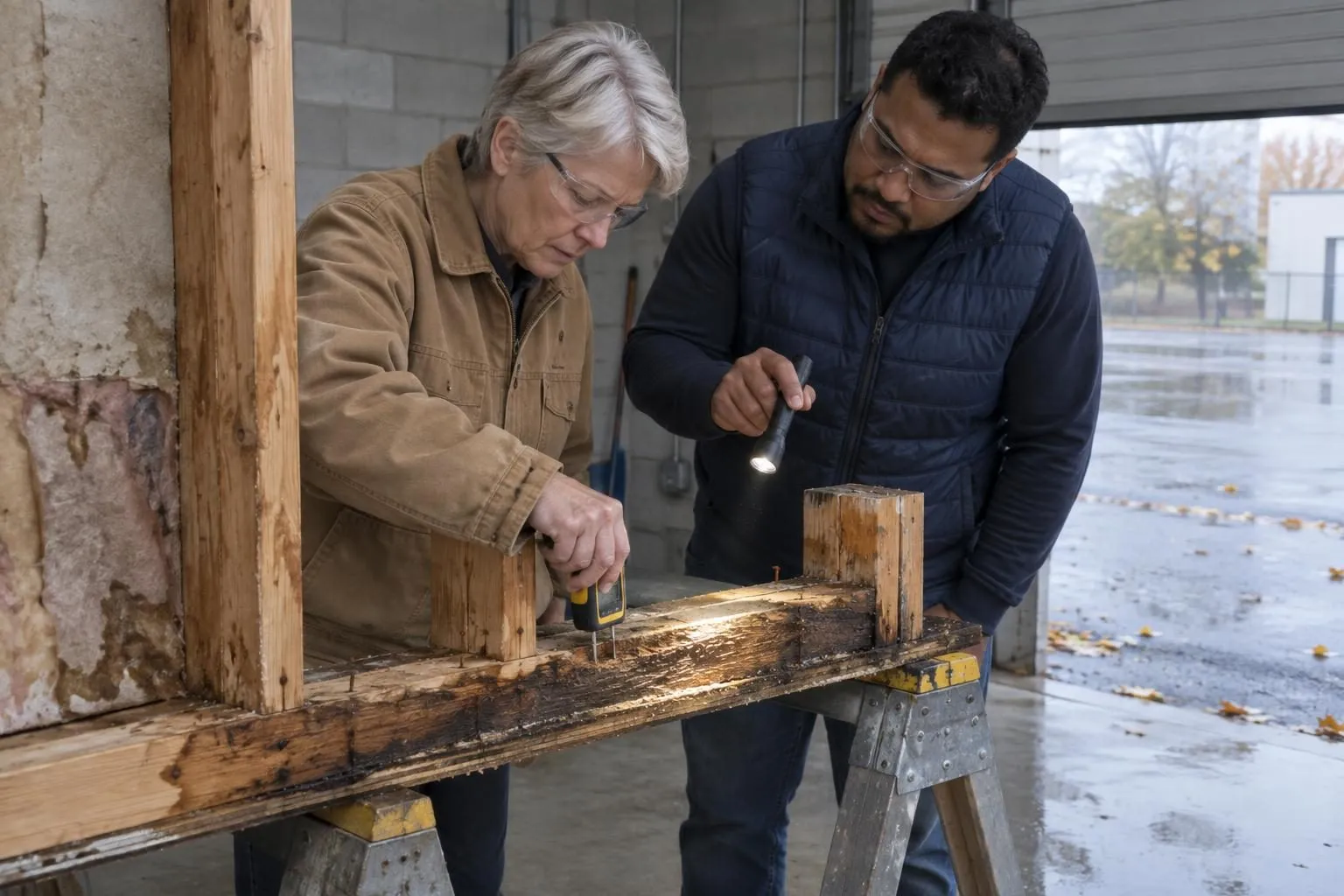
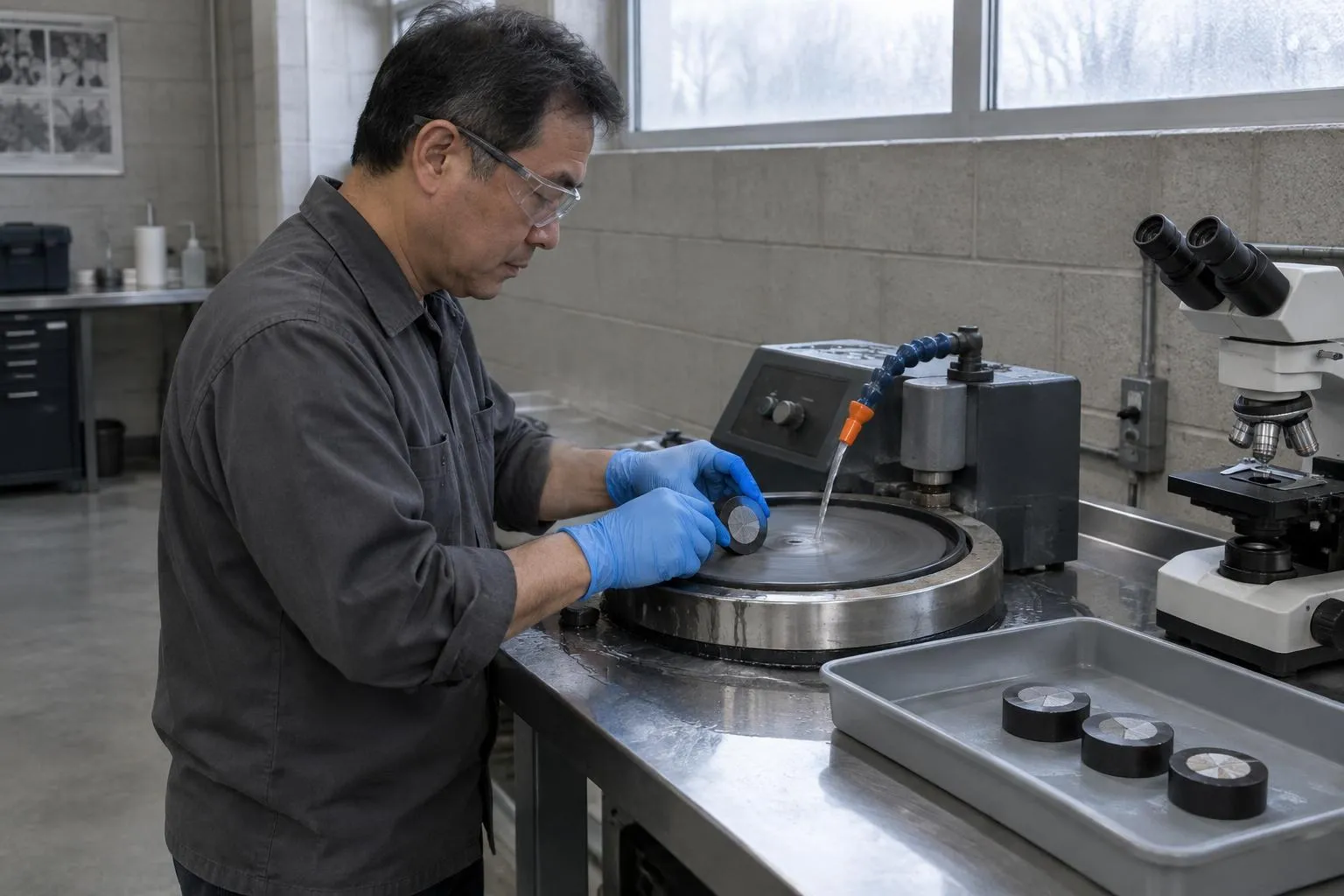
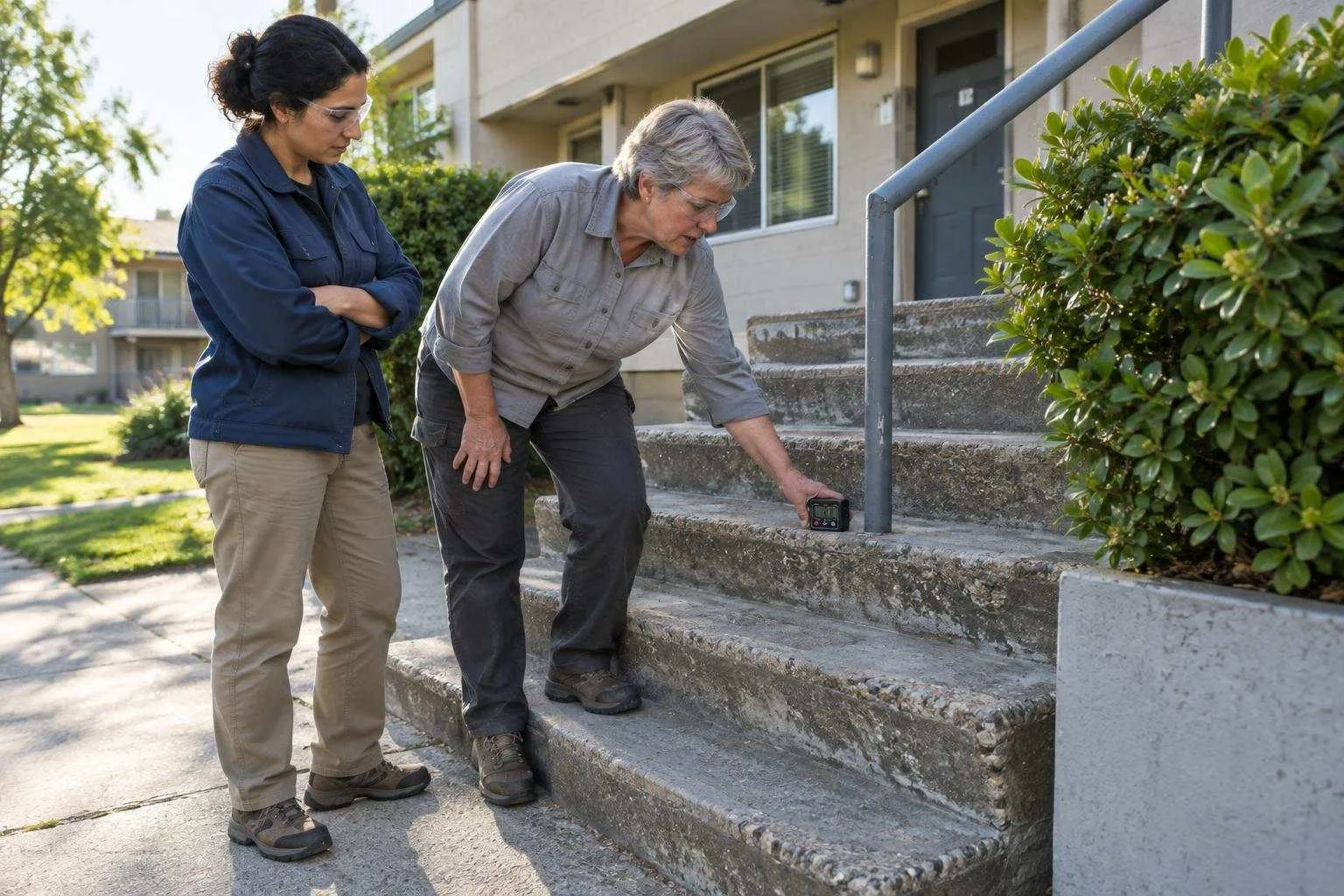
For physical inspections or examinations, you might use cameras, measurement tools, or testing equipment specific to your field. An accident reconstruction expert needs surveying equipment and specialized photography. A structural engineer needs load-testing equipment. None of this is exotic. It’s just whatever your field requires.
The real technical requirement is documentation. Every step gets photographed, recorded, timestamped, and explained. You’re building evidence that will survive cross-examination. Sloppy documentation kills credibility faster than anything else.
The Biggest Pain Points Nobody Warns You About
1. The impartiality trap. You’re hired by an attorney. That attorney has a financial incentive in your opinion. You don’t. Your duty is to the court, not to the side that hired you.[1] This creates constant tension. If you reach a conclusion that hurts the hiring party’s case, you have to disclose it. Good attorneys respect this. Bad attorneys make your life hell.
2. The communication chasm. You know your field deeply. Your audience—jurors, judges—mostly doesn’t. Explaining complex material clearly is harder than doing the analysis. It’s also non-negotiable. Nobody cares how sophisticated your methodology is if nobody understands it.
3. Time burden. Engagements typically run 3-6 months. You might spend 80-120 billable hours on a single case at $350-$1,000 per hour. That’s $28,000 to $120,000 in total fees.[industry context] But you’re also doing it while maintaining your regular practice. This becomes a second job for months.
The Standards That Actually Matter
Courts follow Federal Rule of Evidence 702 for witness qualification. Professional organizations add their own layers. The Royal Institution of Chartered Surveyors (RICS), for example, publishes mandatory practice statements and offers an Expert Witness Certificate to demonstrate competency.[6]
In England & Wales, expert evidence is governed by Civil Procedure Rules Part 35. Reports must include a statement confirming you understand your duty to the court and have complied with it.[2]
The pattern is consistent across jurisdictions: independence first, methodology second, communication third.
Practical Bottom Line
Hiring or becoming an expert witness isn’t about being the smartest person in the room. It’s about being trustworthy, methodical, and clear under pressure.
If you’re a professional considering expert work: get comfortable with written reports, deposition process, and cross-examination before you take on a high-stakes case. Do pro bono or low-stakes work first. Your reputation compounds—good or bad—over years.
If you’re an attorney hiring an expert: ask specific questions about methodology, error rates, and bias disclosures. Don’t hire someone because they’re famous or because they’ll say what you want to hear. Courts see through that. Hire someone because their methods are sound and their conclusions are defensible.
The expert witness who wins isn’t the one with the most sophisticated opinion. It’s the one who can explain it clearly, defend it rigorously, and remain impartial under fire.
For a deeper dive into the entire expert witness landscape—qualifications, ethics, when to hire, and what to expect—check out The Complete Guide to Expert Witnesses.
Done reading? Get quotes from expert witnesses near you.
Takes about a minute. Free, no obligation; providers reply to you directly.
Popular cities: