Get free quotes from expert witness services near you
Takes about a minute. Free, no obligation; providers reply to you directly.
I was sitting in a conference room when the attorney casually mentioned they needed an expert witness for a construction defect case. My instinct was to Google “expert witness near me” and pick someone with the most credentials listed. The lawyer laughed—actually laughed—and said that’s how cases get torpedoed. Turns out, hiring the wrong expert doesn’t just waste money. It tanks credibility in front of a judge who’s heard a thousand testimony claims that same morning.
That conversation sent me down a rabbit hole. I spent months talking to attorneys, expert witnesses, and litigation teams. What I found: most professionals don’t actually understand what expert witnesses do, how to hire them, or why the cheapest option almost always costs more in the end.
This guide is what I wish someone had handed me before that meeting.
The Short Version
Expert witnesses are specialized professionals retained to explain complex technical or scientific information to judges and juries through reports, depositions, and trial testimony—and they typically charge $350–$1,000 per hour depending on field, experience, and case complexity. The real cost isn’t the hourly rate; it’s hiring the wrong person and watching your case fall apart because their opinion doesn’t hold up under cross-examination.
Key Takeaways
- Expert witnesses operate across dozens of fields (medicine, engineering, forensic science, accounting, psychology, construction) and are essential when testimony requires specialized knowledge a layperson can’t provide
- Proper vetting matters more than credentials alone—reputation, deposition experience, and trial history determine case impact
- Total engagement costs range from $2,500 for straightforward cases to $25,000+ for complex litigation involving discovery, depositions, and trial prep
- Certifications, state regulations, and ethical standards vary significantly by discipline and jurisdiction
- The market is shifting toward more specialized niches and digital-first deposition practices
What Expert Witnesses Actually Do (And Why You Need Them)
Most people think expert witnesses just show up, answer questions, and go home. That’s not even close.
An expert witness’s job is to translate expertise into testimony that makes sense to someone who’s never worked in that field. A cardiologist isn’t explaining how to perform surgery—they’re explaining why the defendant’s negligence caused a specific injury. An engineer isn’t rebuilding a bridge; they’re reconstructing what failed and why.
Reality Check:Judges and juries are smart, but they’re not specialists. If your expert can’t explain complex information in plain language, the jury checks out mentally. The other side’s expert then becomes the only person in the room who sounds credible.
Here’s what a full expert witness engagement actually includes:
Case Review & Opinion Development The attorney sends discovery materials, medical records, technical reports, depositions—sometimes thousands of pages. The expert reads everything, identifies the key issues, and forms an opinion. This isn’t fast. A thorough expert spends 20–50+ hours on this phase alone.
Written Report Most cases require a detailed expert report. This isn’t a casual summary; it’s a formal document that explains the expert’s qualifications, the facts they reviewed, their methodology, and their opinions. Courts use these to determine if the expert even qualifies to testify (Daubert standard in federal court, similar rules in most states). A weak report gets struck before trial even starts.
Deposition Testimony The other side gets to question the expert under oath, before trial. This is where weak experts crumble. The opposing counsel will attack methodology, cherry-picked data, bias, and any inconsistency. Your expert needs to stay calm, consistent, and credible—because that transcript becomes ammunition if the case goes to trial.
Pro Tip:Never skip the deposition prep. An expert who hasn’t been grilled by an aggressive attorney before will panic under cross-examination. The best experts do mock depositions with the retaining attorney before the real thing.
Trial Testimony If the case reaches trial, the expert testifies in person. This is 4–6 hours of direct examination (your side’s attorney asking questions), cross-examination (the other side attacking credibility and methodology), and potentially redirect. Jurors are watching. They notice when an expert gets defensive, when they seem rehearsed, when they dodge questions.
Consulting & Strategy Top experts also advise attorneys on case strategy, identify gaps in discovery, and suggest additional experts needed. This behind-the-scenes work is often what separates winning cases from losing ones.
The Disciplines (And Where to Find Them)
Expert witnesses aren’t a monolith. They span dozens of fields, each with different standards, compensation models, and market saturation.
Medical & Healthcare Physicians, surgeons, psychiatrists, and nurses provide opinions on standard of care, causation of injury, and prognosis. This is the largest segment of the expert witness market. Rates: $400–$1,000+/hr for experienced physicians.
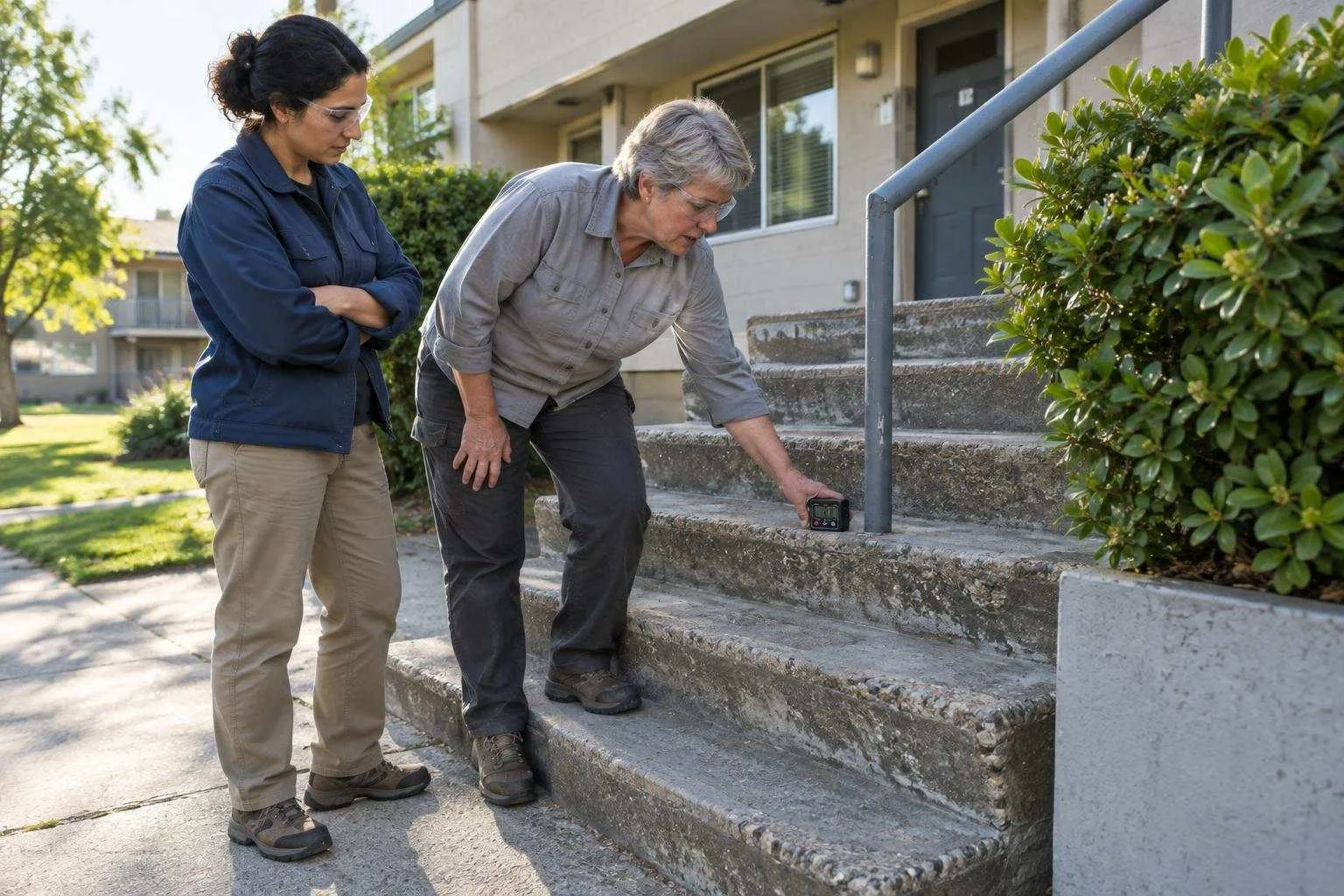
Engineering Structural, mechanical, chemical, and electrical engineers analyze failures, design defects, and causation in product liability, construction, and workplace injury cases. Rates: $350–$850/hr depending on specialization.
Forensic Science & Investigation Accident reconstructionists, forensic toxicologists, digital forensics experts, and crime scene analysts interpret physical evidence. Increasingly specialized and in demand. Rates: $400–$1,200/hr.
Accounting & Financial CPAs, forensic accountants, and financial analysts review fraud, damages calculations, and business valuation. Often the most expensive per hour. Rates: $450–$1,500/hr.
Psychology & Psychiatry Clinical psychologists and psychiatrists testify on competency, causation (PTSD, psychological injury), and credibility in custody, personal injury, and criminal cases.
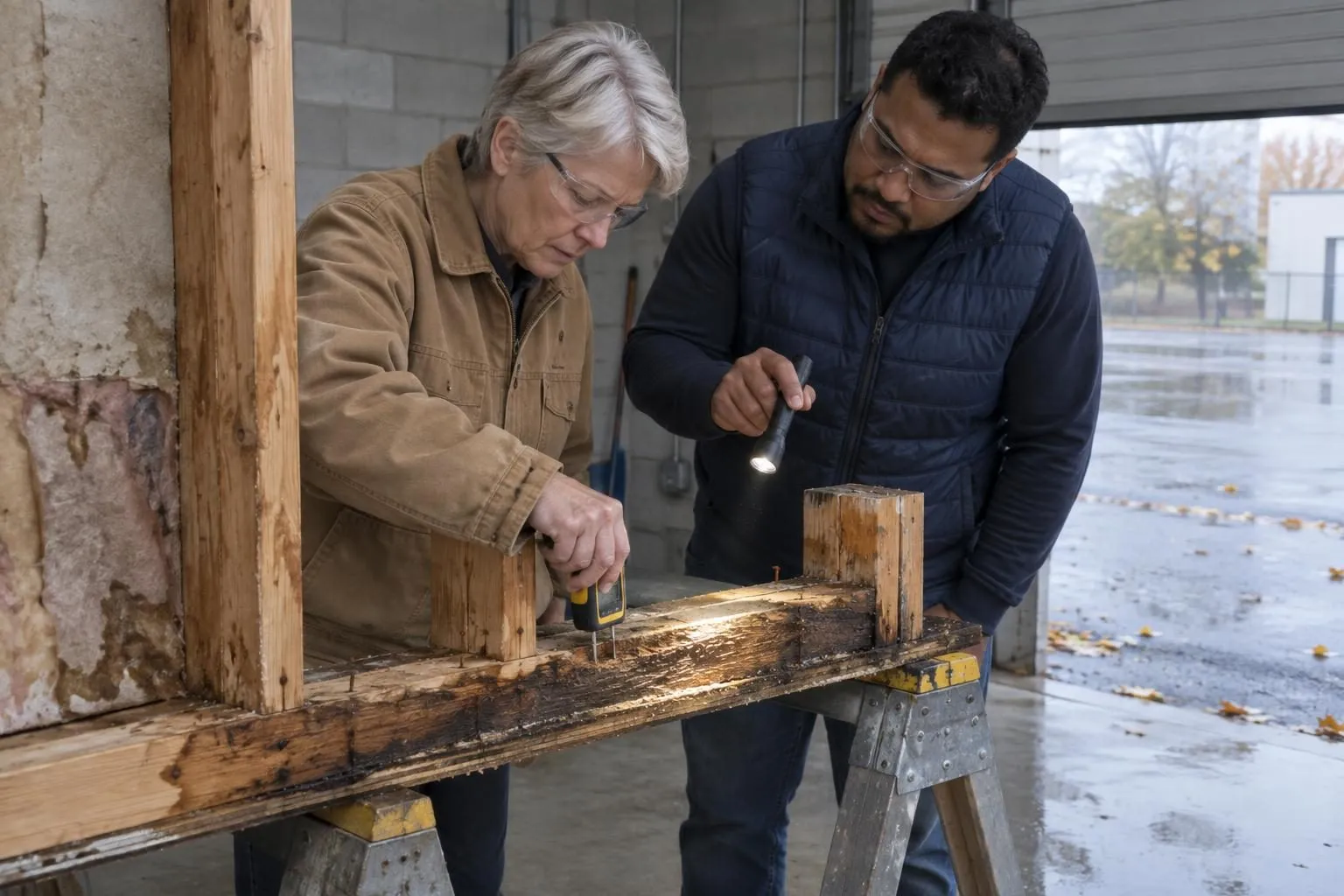
Construction & Defects Contractors, architects, and construction defect specialists opine on building code violations, workmanship, and causation. High demand in coastal states. Rates: $350–$1,000/hr.
Other Growing Fields
- Product liability specialists
- Environmental/toxicology experts
- IP and patent experts
- Social media/digital platform specialists
- Vocational rehabilitation counselors
- Life care planners
Reality Check:Niche expertise commands premium rates. A generalist cardiologist might charge $500/hr. A cardiologist who specializes in surgical complications and has published peer-reviewed research on the specific procedure in your case? You’re paying $1,000+/hr—and it’s worth it because they’re harder to attack in cross.
How to Actually Hire an Expert Witness (Without Wasting Time)
The worst way to find an expert is to ask Google or call a referral service. The best way requires more work upfront but saves chaos later.
Step 1: Define the Specific Opinion Needed Don’t just say “I need a cardiologist.” Say “I need a cardiologist who specializes in post-MI complications and can opine on standard of care in emergency department triage.” Specificity matters. It determines whether someone can even help your case.
Step 2: Vet Credentials & Trial History
- Did they publish research relevant to your case’s issues? (Published work = harder to attack)
- How many times have they testified? In what jurisdictions?
- Have they been excluded as an expert in prior cases? (Check PACER for federal cases, state court records for state cases)
- What’s their deposition history? Did they crack under pressure?
Most experts will provide CV, deposition clips, and trial transcripts. Watch or read them. See how they handle hostile questioning.
Pro Tip:Call prior attorneys who’ve used them. Ask: “Would you hire them again? Any weaknesses I should know about? Did opposing counsel successfully attack their methodology?” Most attorneys will give you real feedback if you’re direct.
Step 3: Interview (Don’t Just Assume) A phone call with the potential expert should answer:
- Do they have capacity? (Don’t hire someone already juggling 12 cases)
- Do they understand the issues? (They should ask detailed questions)
- Are they defensive about criticism? (Red flag)
- Will they commit to timelines and availability?
- What’s their fee structure? (Hourly? Flat for report? Trial premium?)
Step 4: Check for Bias This is subtle but critical. Experts who testify almost exclusively for one side (plaintiff vs. defense) are easier to attack in court. The best experts do both. Also ask: Have they been retained by the opposing counsel’s firm before? If not, why not? (Sometimes there’s a legitimate reason; sometimes it’s because one side doesn’t trust them.)
Step 5: Discuss Strategy Before they dive into the case, align on the opinion’s scope. Don’t let experts testify outside their expertise. A cardiologist shouldn’t be opining on causation of a car accident—that’s an accident reconstructionist’s lane. Mixed expertise looks like the expert doesn’t have boundaries.
Pricing: What You’ll Actually Pay
Here’s where people get shocked.
Hourly Rates
- Entry-level/newer experts: $250–$400/hr
- Experienced specialists: $450–$850/hr
- High-demand subspecialists: $900–$1,500+/hr
- “Big name” experts (published, highly credentialed): $1,500–$3,000+/hr
These rates apply to all work: case review, report writing, deposition prep, deposition testimony, trial prep, trial testimony.
Total Case Engagement
For a straightforward case (clear liability, limited causation dispute):
- Report phase: $2,500–$5,000
- Deposition prep & testimony: $3,000–$7,500
- Total: $5,500–$12,500
For a complex case (multiple causation issues, competing expert opinions, anticipated trial):
- Report phase: $5,000–$12,000
- Discovery & case review: $3,000–$8,000
- Deposition prep & testimony: $5,000–$15,000
- Trial prep & testimony: $5,000–$25,000+
- Total: $18,000–$60,000+
Reality Check:The hourly rate is transparent; the time commitment isn’t. An expert who seems affordable at $400/hr becomes expensive if they need 80 hours to write a report. Always ask for a time estimate before retaining.
Cost Factors That Drive Price Up
- Higher-stakes cases (medical malpractice, large commercial disputes)
- Trial (much more time-intensive than settlement)
- Geographic distance (travel costs, deposition logistics)
- Competing opinions (more time defending methodology)
- Expert’s reputation and demand (simple supply/demand)
Credentials, Certifications & Regulatory Standards
Here’s what most people miss: credentials vary wildly by field, and more letters after a name doesn’t always mean better testimony.
Medical Experts
- Board certification is the baseline standard (e.g., American Board of Internal Medicine)
- Fellowship in a specialty adds weight (e.g., fellowship in cardiology)
- Published research and academic positions strengthen credibility
- State medical board disciplinary history should be checked (look up on state board websites)
Engineering Experts
- Professional Engineer (PE) license is standard in most states
- Specialty certifications vary (ASM, NACE, IEEE certifications depending on field)
- ASCE (American Society of Civil Engineers) membership is common
- Published technical papers matter
Forensic & Investigation Experts
- Certifications vary widely: AAFS (American Academy of Forensic Sciences), ACE (certified accident reconstructionist), CFEI (certified fire and explosions investigator)
- These aren’t always required to testify, but they strengthen credibility
- Professional organization membership (AAFS, SAIT) shows ongoing education
Accounting & Financial Experts
- CPA is the baseline standard
- Certified fraud examiner (CFE) or certified valuation analyst (CVA) adds credibility
- AICPA membership indicates professional standards compliance
Pro Tip:Don’t assume a certified expert is better than a non-certified one in the same field. Some of the best experts in emerging fields (digital forensics, social media analysis) haven’t been grandfathered into old certification systems. Look at actual experience and trial history, not just credentials.
State Regulations Expert witness regulations are handled at the state level in most cases. Key things to know:
- Daubert Standard (Federal): Expert testimony must be relevant, reliable, and based on valid scientific methodology. Federal courts use the “Daubert test” to exclude junk science.
- State Variation: Some states use Daubert; others use older Frye standard or different tests. Always verify with the court and retaining attorney.
- Expert Witness Disclosure: Most jurisdictions require early disclosure of expert identity, qualifications, and opinions (per FRCP 26 in federal court, state rules variation)
- Privilege & Ethics: Communication between attorney and expert is often privileged (attorney-client privilege extends to experts retained for litigation)
Expert Witness Services: A Comparison
| Service Type | Time Commitment | Cost Range | Best For | Complexity |
|---|---|---|---|---|
| Case Review & Opinion | 10–30 hours | $3,500–$12,000 | Quick assessment of case viability | Low–Medium |
| Written Expert Report | 20–50+ hours | $7,000–$25,000 | Settlement, motion practice, trial prep | Medium–High |
| Deposition Testimony | 8–16 hours (prep + testimony) | $4,000–$16,000 | Discovery, opposing counsel assessment | Medium |
| Trial Testimony | 15–40+ hours (prep + testimony) | $8,000–$40,000+ | Cases going to trial, high stakes | High |
| Consulting/Strategy | 5–20 hours | $2,000–$8,000 | Case planning, secondary opinions | Low–Medium |
| Rebuttal/Supplemental Report | 10–25 hours | $4,000–$12,000 | Response to opposing expert opinions | Medium–High |
The Future of Expert Witnesses (What’s Changing Now)
The expert witness market isn’t static. Three trends are reshaping how experts work and how much they earn.
1. Specialization Over Generalism Boutique experts in niche fields (rare medical conditions, specific technical failures, emerging digital issues) command higher rates because demand is high and supply is low. Generalists are seeing rate pressure.
2. Digital-First Depositions COVID accelerated remote depositions, and they’re not going away. This reduces travel time, increases capacity, and makes experts more accessible. It also means an expert’s on-camera presence matters more—awkward or evasive-looking testimony is now recorded and shareable forever.
3. AI-Assisted Discovery & Analysis Experts are increasingly using AI tools to review massive datasets, identify patterns, and accelerate case analysis. This shortens timelines but doesn’t reduce rates—it just means experts can handle more complex cases simultaneously.
Practical Bottom Line
Hiring an expert witness isn’t about finding the most credentialed person or the cheapest option. It’s about finding someone who can:
- Understand your specific dispute (not just their general field)
- Withstand hostile cross-examination (trial experience matters)
- Communicate clearly to a non-technical audience (this is a skill, not a given)
- Stay objective (biased experts lose credibility fast)
- Commit to your timeline and budget (no surprise 100-hour discovery reviews)
Your next move:
- If you need an expert, define the specific opinion required (not just “doctor” or “engineer”)
- Vet three candidates: check credentials, trial history, deposition transcripts, and prior attorney references
- Interview them directly; ask about capacity, fees, and willingness to defend their methodology
- Budget $5,500–$25,000+ depending on case complexity and whether it goes to trial
- Start early (good experts book up fast, and rushed opinions show weakness in court)
The attorney who laughed at my Google search? They found their expert by calling colleagues who’d won similar cases. That expert cost more per hour but held up flawlessly under cross and helped settle the case favorably. The math worked out—spend more upfront on the right expert, close the case faster, save on overall litigation costs.
That’s how this actually works.
Related Reading: The Role of Expert Witnesses in Personal Injury Cases | How to Challenge an Expert Witness
Done reading? Get quotes from expert witnesses near you.
Takes about a minute. Free, no obligation; providers reply to you directly.
Popular cities: